How to Treat Panic Attacks and General Anxiety at Home?
Panic attacks and general anxiety are common mental health conditions that affect millions of people worldwide. Panic attacks are intense episodes of fear that can come on suddenly and be accompanied by physical symptoms such as rapid heartbeat, sweating, and shortness of breath.
General anxiety, on the other hand, is characterized by excessive worry and fear that can cause physical symptoms such as trembling, sweating, and heart palpitations. While these conditions can be distressing, there are many ways to treat them from the comfort of your own home.

Image credit: Freepik
Lifestyle Changes for Managing Panic and Anxiety
One effective way to manage panic attacks and general anxiety is to make certain lifestyle changes. These can include:
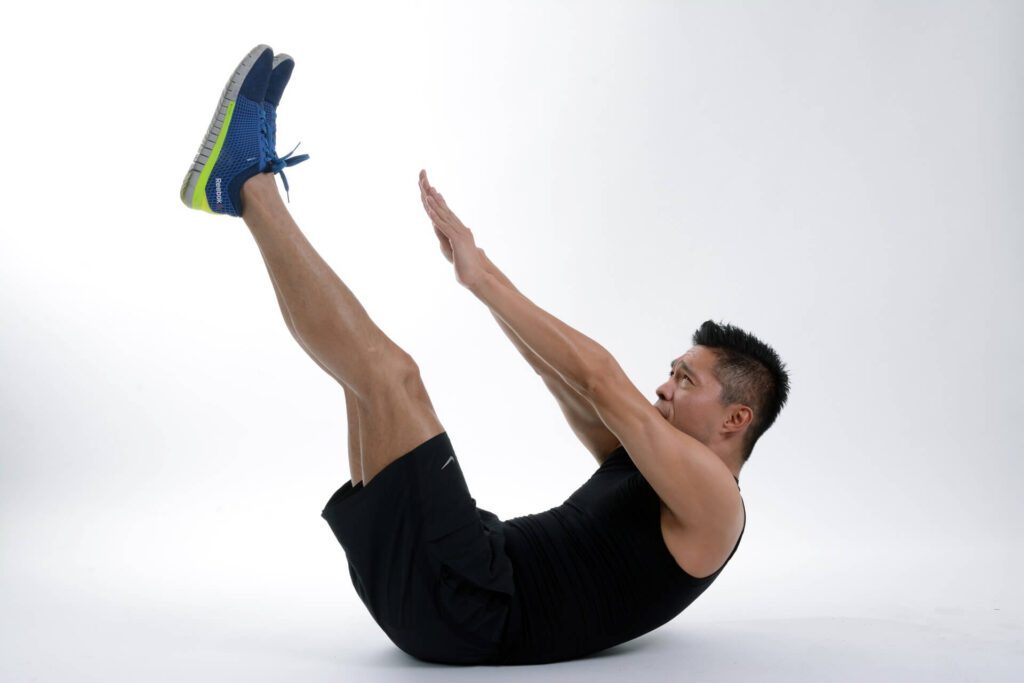
Regular Exercise
Regular exercise can help reduce anxiety and improve overall mental health. Exercise can also alleviate physical symptoms of panic attacks such as rapid heartbeat and sweating.
Balanced Diet
Eating a balanced diet with plenty of fruits, vegetables, and whole grains can help keep your body healthy and reduce the likelihood of panic and anxiety attacks. Avoiding excessive amounts of caffeine, alcohol, and sweets can also be beneficial.
Good Sleep Habits
Getting enough sleep each night is important for your overall health and can help reduce anxiety and panic attacks. Develop a routine before bed, such as reading or meditating, to help calm your mind.
Coping Strategies for Panic and Anxiety Attacks
Along with lifestyle changes, there are several coping strategies that you can use to manage panic and anxiety attacks. These include:
Breathing Techniques
Deep breathing exercises can help you calm down and alleviate the physical symptoms of panic attacks. Concentrate on taking slow, deep breaths and exhaling slowly.
Mindfulness Meditation
Mindfulness meditation entails focusing on the present moment and accepting your thoughts and feelings without judgment. This can help minimize anxiety and panic episodes by making you more conscious of your thoughts and sensations.
Self-Talk
Positive self-talk involves repeating positive affirmations to yourself during times of stress. This can help you feel more in control and reduce the likelihood of panic and anxiety attacks.
Seeking Professional Help for Panic and Anxiety
While there are many ways to manage panic and anxiety attacks at home, it is important to seek professional help if your symptoms are severe or ongoing. Mental health professionals such as psychologists, psychiatrists, and counselors can provide guidance and support to help manage symptoms.
Therapy
Therapy can be an effective treatment option for panic and anxiety attacks. Cognitive-behavioral therapy (CBT) is a type of therapy that focuses on identifying and changing negative thought patterns that can contribute to anxiety and panic attacks.
Medications
Medications such as antidepressants and anti-anxiety medications can be used to manage symptoms of panic and anxiety attacks. However, before taking any medication, you should contact your doctor.
Conclusion
Panic attacks and general anxiety can be challenging to manage, but there are many effective treatment options available. From making lifestyle changes to seeking professional help, there are many ways to manage symptoms of panic and anxiety attacks.
With the right treatment and support, it is possible to manage panic attacks and anxiety and lead a fulfilling life. Remember to be gentle with yourself and put your mental health first.
Taking care of your mind and body is an essential part of overall wellness, and it is never too late to start making positive changes in your life. Whether through lifestyle changes, coping strategies, or seeking professional help, there is always a way to manage panic attacks and anxiety and live your best life.
Disclaimer: This article is for informational and educational purposes only. It is not intended as medical advice, diagnosis, or treatment. Always consult a qualified healthcare professional with any questions you may have regarding a medical condition. For more details, please see our full disclaimer.
References
https://pubmed.ncbi.nlm.nih.gov/15742911/#:~:text=Selective%20serotonin%20reuptake%20inhibitors%20and,effect%20profiles%20and%20patient%20preferences.