Norovirus: Symptoms, Causes, Treatment, Prevention, and Outbreaks
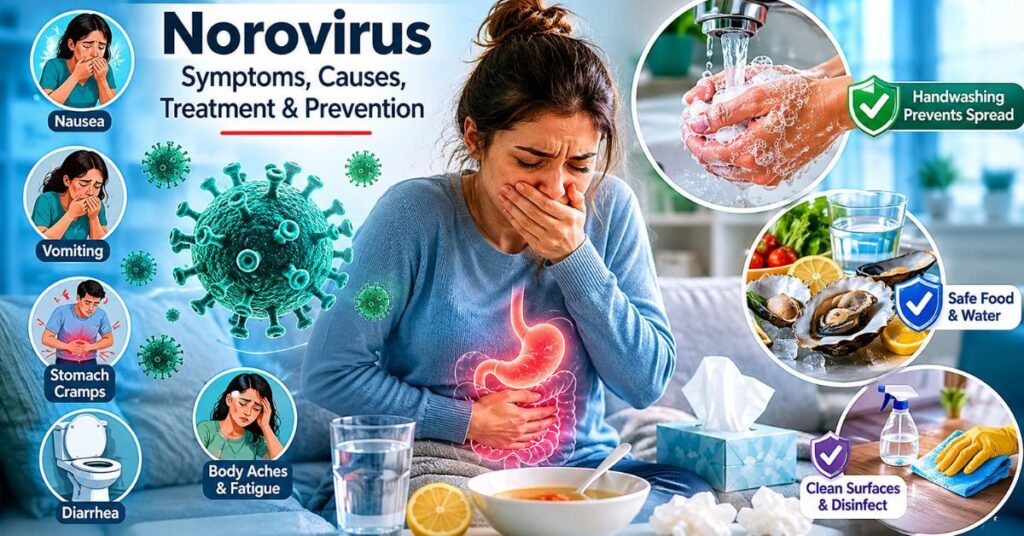
Norovirus is a highly contagious virus that affects the digestive system and is a leading cause of gastroenteritis worldwide. The infection can develop suddenly, causing symptoms such as vomiting, diarrhea, nausea, and stomach cramps that may disrupt daily activities within a matter of hours.
Table of Contents
ToggleMany people become infected without realizing they have been exposed. The virus can enter the body through contaminated food or water, contact with infected surfaces, or close interaction with someone who is sick. Because only a small amount of the virus is needed to cause illness, norovirus can spread quickly in homes, schools, workplaces, healthcare facilities, and other shared environments.
Often called the stomach bug, sickness bug, or stomach flu, norovirus is not related to influenza, which primarily affects the respiratory system. Instead, it targets the digestive tract and can trigger sudden gastrointestinal symptoms that typically last one to three days in otherwise healthy individuals.
While most people recover without complications, dehydration can become a concern, particularly for young children, older adults, and those with weakened immune systems. Understanding how norovirus spreads, recognizing its symptoms early, and following proper prevention measures can help reduce the risk of infection and support a smoother recovery.
Norovirus at a Glance
What is norovirus?
Norovirus is a highly contagious virus that causes gastroenteritis, leading to vomiting, diarrhea, nausea, and stomach cramps.
How long does norovirus last?
Most people recover within 1 to 3 days, although fatigue may continue for several more days.
How does norovirus spread?
Norovirus is transmitted when tiny virus particles enter the body through the mouth, usually after touching contaminated surfaces, consuming contaminated food or drinks, or having direct contact with someone who is infected.
What is the treatment for norovirus?
Norovirus does not have a specific cure. Instead, treatment involves supporting recovery through adequate fluid intake, electrolyte replacement, rest, and careful monitoring for signs of dehydration or complications.
Can norovirus be prevented?
Proper handwashing, food safety practices, and cleaning contaminated surfaces can significantly reduce the risk of infection.
What Is Norovirus?
Norovirus is a fast-spreading digestive infection that can affect people of any age. It commonly causes sudden vomiting, diarrhea, stomach cramps, and nausea, making it one of the most frequent causes of gastroenteritis outbreaks worldwide.
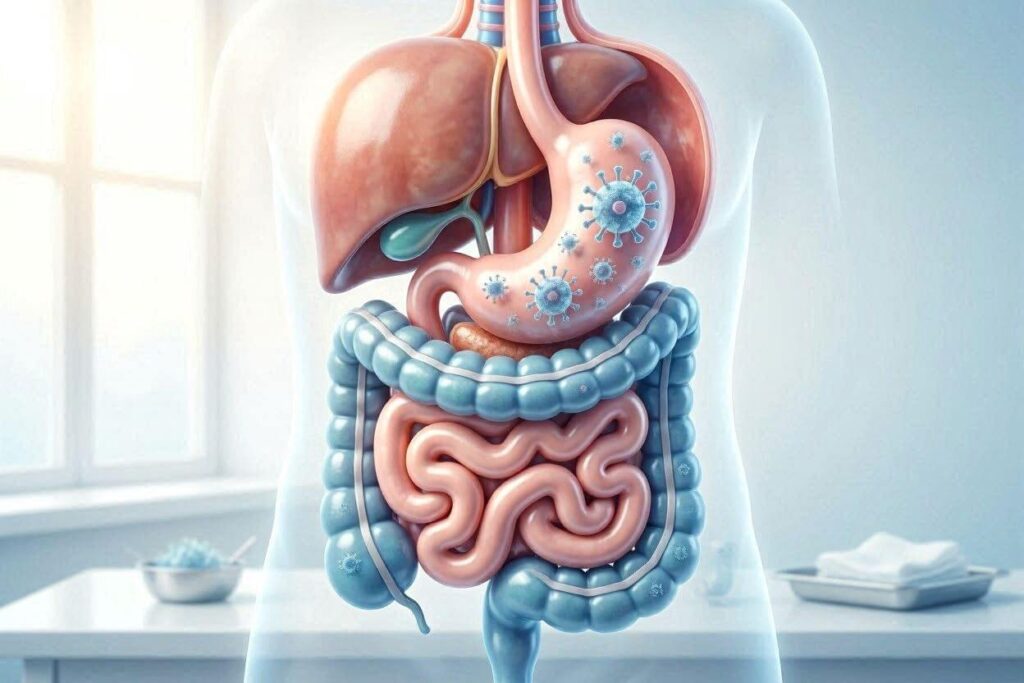
Unlike influenza, which affects the respiratory system, norovirus primarily targets the digestive tract. This distinction is important because many people mistakenly refer to norovirus as the “stomach flu,” even though it is unrelated to the influenza virus.
One reason norovirus remains a major public health concern is its ability to spread with remarkable efficiency. Even minimal exposure to the virus can lead to infection. Once infected, a person can shed billions of virus particles through vomit and stool, creating numerous opportunities for transmission.
The virus belongs to the Caliciviridae family and is recognized as one of the leading causes of foodborne illness worldwide. It affects people of all ages and can spread rapidly in environments where individuals live, work, study, or travel together.
Another factor that makes norovirus challenging to control is its ability to survive on surfaces for extended periods. Contaminated door handles, countertops, shared electronic devices, and bathroom fixtures can all become sources of infection if not cleaned properly.
Although most healthy people recover within a few days, norovirus can pose a greater risk to young children, older adults, and people with weakened immune systems because of the danger of dehydration.
Key Takeaway: Norovirus is not the flu. It is a highly contagious gastrointestinal virus that spreads easily and causes sudden vomiting and diarrhea.
Norovirus Symptoms
Quick Answer
What Are the First Signs of Norovirus?
The first signs of norovirus often include sudden nausea, stomach discomfort, loss of appetite, and fatigue. Vomiting and watery diarrhea usually develop within hours and may appear very suddenly.
Norovirus symptoms typically appear between 12 and 48 hours after exposure. One of the defining characteristics of the illness is how quickly symptoms develop. Many people report feeling completely healthy before becoming suddenly ill.
The most common symptom is nausea, which often serves as the first warning sign. This feeling can intensify rapidly and is frequently followed by vomiting. For some individuals, vomiting occurs repeatedly during the first day of illness and may make it difficult to keep fluids down.

Diarrhea is another hallmark symptom. Because the virus interferes with the intestine’s ability to absorb water, stools often become loose and watery. The frequency and severity of diarrhea vary between individuals, but it can contribute significantly to fluid loss.
Abdominal cramps are also common. These cramps may range from mild discomfort to more intense pain and often occur before episodes of diarrhea.
Beyond digestive symptoms, many people experience fatigue, headaches, body aches, chills, and low-grade fever. These symptoms reflect the body’s immune response to the infection and can make the illness feel even more exhausting.
While symptoms can be unpleasant, they usually improve within a few days. The greatest concern during this period is maintaining adequate hydration.
Signs of a Stomach Bug
Many people search online for signs of a stomach bug when trying to determine whether they have norovirus or another digestive illness.
Early warning signs often begin subtly. A person may feel unusually tired, lose interest in food, or experience mild stomach discomfort. As the infection progresses, nausea becomes more pronounced and is frequently followed by vomiting and diarrhea.
Children may display different warning signs than adults. Irritability, decreased activity, unusual sleepiness, and reduced appetite can all indicate that a child is developing a gastrointestinal infection.
One of the clearest indicators of a stomach bug is the sudden combination of nausea, vomiting, and diarrhea occurring within a short time frame. This pattern is especially common in norovirus infections.
If symptoms are accompanied by signs of dehydration, such as dry mouth, dark urine, dizziness, or extreme fatigue, extra attention should be given to fluid replacement.
Norovirus Symptoms Duration
One of the most frequently asked questions about norovirus is how long the illness lasts. Fortunately, norovirus is generally a short-lived infection.
For most healthy adults, symptoms last between one and three days. The illness often follows a predictable pattern. Vomiting tends to be most severe during the first 24 hours, while diarrhea may continue for another day or two.
As symptoms improve, energy levels gradually return. However, it is common to feel tired and weak for several days after the infection has cleared. This lingering fatigue is often the result of dehydration, disrupted sleep, and reduced food intake during illness.
Young children, older adults, and individuals with weakened immune systems may experience symptoms for a longer period. Recovery can sometimes extend beyond three days, particularly if dehydration develops.
Even after symptoms disappear, people may continue shedding the virus for some time. This is one reason health authorities recommend staying home for at least 48 hours after vomiting and diarrhea have completely stopped.
Norovirus Causes and How It Spreads
Quick Answer
Norovirus spreads through contaminated food, water, surfaces, and close contact with infected individuals. Because only a small number of viral particles are needed to cause illness, outbreaks can spread rapidly in homes, schools, restaurants, healthcare facilities, and cruise ships.
One of the most important things to understand about norovirus is that it is extremely contagious. Many illnesses require exposure to a large amount of a virus or bacteria before symptoms develop. Norovirus is different. Research shows that only a very small number of viral particles may be enough to cause infection.

This low infectious dose is one of the main reasons norovirus outbreaks can spread so quickly through communities. A single infected person can unintentionally expose dozens of others, particularly in environments where people share food, living spaces, bathrooms, or frequently touched surfaces.
When discussing norovirus causes, it is important to understand that the illness itself is caused by infection with the norovirus. However, the circumstances that allow infection to occur usually involve exposure to contaminated food, water, surfaces, or infected individuals.
Once the virus enters the body through the mouth, it travels through the digestive system and begins infecting cells in the small intestine. This triggers inflammation and disrupts the intestine’s ability to absorb fluids and nutrients properly, leading to symptoms such as vomiting and diarrhea.
Understanding how transmission occurs can help individuals take practical steps to reduce their risk of infection.
Norovirus Is Most Commonly Caused By Contaminated Particles
Many people search for “norovirus is most commonly caused by” because they want to know exactly where the virus comes from.
Norovirus spreads through what health professionals call the fecal-oral route. While the term may sound technical, it simply means that microscopic particles from an infected person’s stool or vomit somehow enter another person’s mouth.
Although this may seem unlikely, it happens more often than most people realize.
For example, an infected person may use the bathroom and fail to wash their hands properly. They then touch a door handle, food item, countertop, or shared object. Another person touches that same surface and later eats a snack without washing their hands. The virus is transferred into the body, creating an opportunity for infection.
Because norovirus particles are microscopic, contamination is usually invisible. A surface may appear completely clean while still harboring infectious particles.
This is one reason why outbreaks can be difficult to control once transmission begins.
1. Person-to-Person Transmission
Direct contact with infected individuals is one of the most common ways norovirus spreads.
Caring for an infected household member can increase the likelihood of exposure. Individuals who assist with cleaning, laundry, or personal care may come into contact with contaminated materials more often than others in the home.
Transmission can occur through activities such as:
- Caring for a sick family member
- Sharing utensils or drinking glasses
- Preparing food for others while infected
- Hand-to-hand contact
- Sharing bathrooms
Because people are often contagious before they fully recover, transmission can continue even after symptoms begin improving.
This explains why entire households sometimes become sick one after another over the course of several days.
2. Contaminated Food
Foodborne transmission plays a major role in many norovirus outbreaks.
Food becomes contaminated when it comes into contact with the virus during preparation, processing, transportation, or serving.
One common scenario involves infected food handlers. An employee who returns to work too soon after illness may contaminate ready-to-eat foods while preparing meals for customers.
Unlike foods that are thoroughly cooked before consumption, ready-to-eat items offer fewer opportunities to eliminate contamination.
Foods commonly associated with outbreaks include:
- Salads
- Fresh fruits
- Raw vegetables
- Sandwiches
- Bakery products
Shellfish deserve special attention because oysters and similar shellfish filter large volumes of water while feeding. If growing waters become contaminated, viruses can accumulate inside the shellfish and remain present until consumed.
For this reason, seafood production and distribution networks are often reviewed during outbreak investigations.
3. Contaminated Water
Although less common than foodborne or person-to-person transmission, contaminated water can also spread norovirus.
Water contamination may occur when sewage enters drinking water systems or recreational water sources.
Individuals can become infected by:
- Drinking contaminated water
- Consuming ice made from contaminated water
- Eating foods washed with contaminated water
- Accidentally swallowing contaminated recreational water
Waterborne outbreaks can affect large numbers of people because many individuals may be exposed to the same source.
Modern water treatment systems greatly reduce this risk in many countries, but contamination events can still occur.
4. Contaminated Surfaces and Objects
Norovirus can survive on surfaces long enough to create ongoing opportunities for transmission.
When an infected person touches an object after using the bathroom or experiences vomiting near a surface, viral particles can remain behind.
Commonly contaminated surfaces include:
- Door handles
- Light switches
- Bathroom fixtures
- Countertops
- Remote controls
- Computer keyboards
- Mobile phones
- Shopping cart handles
- Elevator buttons
A person may unknowingly touch these surfaces and then touch their mouth, eat food, or handle utensils.
Because people touch their faces frequently throughout the day, this route of transmission occurs more often than many realize.
The ability of norovirus to survive on environmental surfaces contributes significantly to its success as a contagious virus.
Norovirus: How Is It Spread So Quickly?
Many people wonder why norovirus outbreaks seem to move through communities faster than other illnesses.
The answer lies in several characteristics that work together to promote transmission.
First, very few viral particles are required to cause infection. Second, infected individuals shed enormous quantities of virus through vomiting and diarrhea. Third, the virus can persist on surfaces. Finally, people often remain contagious even after they begin feeling better.
These factors create ideal conditions for rapid spread.
Imagine a single infected student attends school before symptoms begin. During the day, that student touches desks, computers, railings, cafeteria tables, and shared supplies. If symptoms begin while at school, additional contamination may occur.
Within a short period, multiple students and staff members may be exposed.
The same process can occur in workplaces, restaurants, hospitals, daycare centers, and long-term care facilities.
This combination of high infectivity and environmental persistence makes norovirus one of the most successful human viruses.
Quick Answer
Is Norovirus Airborne?
Norovirus is not considered a traditional airborne virus like some respiratory infections. However, vomiting can release tiny droplets into the surrounding environment, which may contribute to short-range spread and surface contamination.
Can Vomiting Spread Norovirus?
One lesser-known aspect of norovirus transmission involves vomiting incidents.
When a person vomits forcefully, tiny droplets can be dispersed into the surrounding environment. These droplets may settle on nearby surfaces and objects.
Anyone cleaning up the area without proper precautions may accidentally expose themselves to the virus.
This is one reason public health authorities emphasize careful cleanup procedures during outbreaks.
Bathrooms, bedrooms, classrooms, and healthcare settings often require thorough disinfection after vomiting incidents to reduce the risk of further transmission.
Is Norovirus Contagious?
The short answer is yes, extremely contagious.
People infected with norovirus can spread the virus easily during the acute phase of illness when vomiting and diarrhea are occurring.
However, contagiousness does not end immediately when symptoms disappear.
Research indicates that viral shedding may continue even after recovery. While the highest risk of transmission occurs during active illness, some individuals can still shed the virus for several days or even weeks afterward.
This extended shedding period helps explain why outbreaks can persist despite apparent recovery among affected individuals.
Stomach Bug Contagious for How Long?
One of the most common questions people have is how long a stomach bug remains contagious.
Most health authorities recommend staying home for at least 48 hours after symptoms have completely stopped.
This recommendation applies to:
- School attendance
- Work activities
- Food preparation
- Childcare responsibilities
- Healthcare settings
Returning too soon increases the risk of exposing others.
Food service workers, healthcare employees, and childcare providers should be particularly cautious because they interact with individuals who may be vulnerable to infection.
Although symptoms may resolve within a few days, maintaining good hygiene remains important during recovery.
Who Is Most at Risk of Severe Illness?
While most healthy individuals recover without complications, certain groups face a greater risk of serious outcomes.
Young children are particularly vulnerable because they can become dehydrated more quickly than adults. Frequent vomiting and diarrhea may rapidly reduce fluid levels in the body.
Older adults are also at higher risk because age-related changes in the body’s ability to regulate fluid balance can make dehydration more severe and more dangerous.
Individuals with weakened immune systems may experience more prolonged illness and slower recovery.
Other higher-risk groups include:
- Residents of nursing homes
- Residents of nursing homes
- Individuals with chronic medical conditions
- Organ transplant recipients
- People receiving immunosuppressive medications
For these populations, early recognition of symptoms and prompt attention to hydration become especially important.
Key Takeaways
- Norovirus spreads through contaminated food, water, surfaces, and close contact with infected individuals.
- Only a very small number of viral particles is enough to cause infection. Food handlers can also unintentionally spread the virus through contaminated food if proper hygiene is not followed.
- Frequently touched surfaces may become sources of transmission.
- Vomiting incidents can contaminate the surrounding environments.
- People remain contagious even after symptoms improve.
Staying home for at least 48 hours after symptoms stop helps reduce transmission.
Types of Stomach Bugs and How Norovirus Compares
Quick Answer
Not every stomach bug is norovirus. Gastroenteritis can be caused by viruses, bacteria, or parasites. Norovirus is the most common viral cause of stomach bugs in adults, but food poisoning, bacterial infections, and parasitic infections can produce similar symptoms.
Types of Stomach Bugs
Many people use terms such as stomach bug, stomach flu, sickness bug, and gastroenteritis interchangeably. While these phrases are common in everyday conversation, they do not refer to a single disease.
A stomach bug simply describes an illness that causes inflammation of the stomach and intestines. Several different pathogens can trigger this inflammation, including viruses, bacteria, and parasites.
Understanding the different types of stomach bugs can help explain why some infections last only a day or two while others may persist for weeks. It can also help individuals understand why treatment recommendations vary depending on the underlying cause.
Healthcare professionals generally classify gastroenteritis into three main categories:
- Viral gastroenteritis
- Bacterial gastroenteritis
- Parasitic gastroenteritis
Each category has unique characteristics, causes, and treatment considerations.
1. Viral Gastroenteritis
Viral gastroenteritis is the most common form of stomach illness worldwide. It occurs when a virus infects the digestive tract, causing inflammation and disrupting normal intestinal function.
Most viral stomach bugs are self-limiting, meaning the body eventually clears the infection without specific medical treatment.
However, symptoms can still be intense and uncomfortable.
Several viruses are known to cause gastroenteritis.
Norovirus
Norovirus is the leading cause of viral gastroenteritis in adults and older children.
It is responsible for millions of illnesses every year and frequently causes outbreaks in schools, cruise ships, restaurants, healthcare facilities, and long-term care centers.
Norovirus stands out because of its:
- Extremely high contagiousness
- Rapid spread
- Sudden onset of symptoms
- Frequent outbreaks
Symptoms often begin abruptly and may include intense nausea, vomiting, diarrhea, and stomach cramps.
Most people recover within one to three days, although fatigue can linger longer.
Because norovirus spreads very easily, even one infected person can lead to a large outbreak.
Rotavirus
Before widespread vaccination programs, rotavirus was one of the most common causes of severe diarrhea in young children.
Today, vaccines have significantly reduced severe rotavirus infections in many countries.
Rotavirus primarily affects:
- Infants
- Toddlers
- Young children
Symptoms often include:
- Fever
- Vomiting
- Watery diarrhea
- Dehydration
Unlike norovirus, which commonly affects all age groups, rotavirus is mainly a pediatric concern.
Adenovirus
Certain strains of adenovirus can infect the digestive tract and cause gastroenteritis.
Symptoms are often similar to those of other viral stomach infections and may include diarrhea, vomiting, and abdominal discomfort.
Children are affected more frequently than adults.
Adenovirus infections may sometimes last slightly longer than norovirus infections.
Astrovirus
Astrovirus is another viral cause of gastroenteritis.
Although less common than norovirus or rotavirus, astrovirus can still cause outbreaks, particularly among:
- Young children
- Older adults
- Immunocompromised individuals
Symptoms are typically milder but can still lead to dehydration if fluid losses become significant.
2. Bacterial Gastroenteritis
Not all stomach bugs are caused by viruses.
Many cases result from bacterial infections, which are often associated with contaminated food or water.
Unlike viral gastroenteritis, bacterial infections may sometimes require medical evaluation and, in specific situations, antibiotic treatment.
Several types of bacteria are commonly associated with gastrointestinal illness.
Salmonella
Salmonella is one of the most well-known causes of foodborne illness.
People may become infected after consuming:
- Undercooked poultry
- Raw eggs
- Contaminated produce
- Unpasteurized dairy products
Symptoms often include:
- Diarrhea
- Fever
- Abdominal cramps
- Nausea
Unlike norovirus, fever tends to be more common and may be more pronounced.
E. coli
Certain strains of Escherichia coli (E. coli) can cause serious gastrointestinal illness.
Contamination is often linked to:
- Undercooked ground beef
- Raw vegetables
- Unpasteurized products
- Contaminated water
Symptoms vary depending on the strain but may include severe abdominal cramps and bloody diarrhea.
Bloody stools are uncommon with uncomplicated norovirus infections, making this an important distinguishing feature.
Campylobacter
Campylobacter infections frequently occur after consuming undercooked poultry or contaminated water.
Common symptoms include:
- Fever
- Diarrhea
- Stomach pain
- Nausea
Campylobacteris one of the most frequently identified bacterial causes of gastroenteritis worldwide.
Shigella
Shigella spreads easily through person-to-person contact and contaminated food or water.
Symptoms may include:
- Fever
- Abdominal pain
- Diarrhea
- Bloody stools
Because only a small number of bacteria are needed to cause infection, outbreaks can occur in schools, childcare centers, and crowded living environments.
3. Parasitic Gastroenteritis
Parasitic infections are less common than viral or bacterial causes of gastroenteritis, but they can still lead to significant illness.
Unlike norovirus, which usually resolves within a few days, parasitic infections may persist for weeks or even months if left untreated.
Giardia
Giardia is one of the most common parasitic causes of gastrointestinal illness.
People often become infected through:
- Contaminated drinking water
- Untreated natural water sources
- Recreational water exposure
Symptoms may include:
- Chronic diarrhea
- Gas
- Bloating
- Weight loss
- Fatigue
Symptoms often develop more gradually than those associated with norovirus.
Cryptosporidium
Cryptosporidium is another parasite capable of causing gastroenteritis.
It can spread through contaminated water, swimming pools, and close contact with infected individuals.
Healthy individuals usually recover, but the infection can be severe in people with weakened immune systems.
Stomach Bug Types vs. Stomach Flu Types
Many people search for “stomach bug types” and “stomach flu types” as if they are separate categories.
In reality, both phrases generally refer to gastroenteritis caused by different pathogens.
The term “stomach flu” is somewhat misleading because these illnesses are unrelated to influenza.
Influenza is a respiratory illness affecting the lungs and airways, whereas gastroenteritis affects the digestive system.
Regardless of whether someone says stomach bug, stomach flu, or sickness bug, they are usually describing symptoms such as:
- Vomiting
- Diarrhea
- Nausea
- Stomach cramps
The underlying cause, however, may be viral, bacterial, or parasitic.
Norovirus vs Food Poisoning
Quick Answer
Is Norovirus the Same as Food Poisoning?
No. Norovirus is a virus, while food poisoning can result from bacteria, toxins, viruses, or parasites. However, norovirus is one of the most common causes of foodborne illness and is often mistaken for food poisoning.
One of the biggest sources of confusion among patients is the difference between norovirus and food poisoning.
The confusion is understandable since both conditions can cause very similar symptoms.
A person may experience:
- Vomiting
- Diarrhea
- Nausea
- Stomach cramps
- Weakness
As a result, many people assume they have food poisoning when they actually have norovirus.
Similarities
Both conditions can:
- Begin suddenly
- Cause vomiting
- Cause diarrhea
- Lead to dehydration
- Spread through contaminated food
Because symptoms overlap so significantly, it can be difficult to distinguish between them without laboratory testing.
Differences
The main difference lies in the cause.
Norovirus is caused by a viral infection.
Food poisoning is a broader term that describes illness resulting from contaminated food. The contamination may involve:
- Bacteria
- Bacterial toxins
- Viruses
- Parasites
Another difference is timing.
Certain types of food poisoning can begin within a few hours of eating contaminated food because toxins are already present.
Norovirus typically has an incubation period of about 12 to 48 hours after exposure before symptoms start to appear.
Which Is More Common?
Norovirus is among the most common causes of foodborne illness globally.
Many outbreaks initially reported as food poisoning are eventually traced back to norovirus infection.
This is especially true when multiple people become ill after sharing food at a restaurant, banquet, cruise ship, school cafeteria, or family gathering.
Can You Tell Which Type of Stomach Bug You Have?
In many cases, it is difficult to identify the exact cause of gastroenteritis based solely on symptoms.
Vomiting, diarrhea, nausea, and stomach cramps occur across many different infections.
However, certain clues may provide hints:
- Sudden vomiting and diarrhea with rapid spread through a household often suggest norovirus.
- Bloody diarrhea may indicate a bacterial infection.
- Prolonged symptoms lasting weeks may suggest a parasitic infection.
- High fever is generally more common with some bacterial illnesses than with norovirus.
Only medical testing can confirm the exact cause when diagnosis becomes important.
For most healthy adults with mild illness, supportive care and hydration remain the primary focus regardless of the specific pathogen.
Key Takeaways
- Not all stomach bugs are caused by norovirus.
- Gastroenteritis may develop due to infection from viruses, bacteria, or parasites.
- Norovirus is the primary cause of outbreaks of viral gastroenteritis.
- Rotavirus primarily affects young children.
- Bacterial infections may cause symptoms similar to norovirus but sometimes include high fever or bloody diarrhea.
- Parasitic infections often last much longer than viral infections.
- Food poisoning and norovirus share many symptoms, but they are not the same condition.
Norovirus Treatment, Recovery, and Home Care
Quick Answer
There is no specific cure for norovirus. Most people recover within 1–3 days by staying hydrated, getting adequate rest, and gradually returning to normal foods. Preventing dehydration is the most important part of treatment.
One of the first questions people ask after becoming sick is whether there is a medication that can cure norovirus. Unfortunately, there is currently no antiviral drug specifically approved to eliminate norovirus once an infection begins.
Unlike bacterial infections, which may sometimes respond to antibiotics, norovirus is caused by a virus. Antibiotics do not kill viruses and therefore provide no benefit for treating norovirus.
In fact, taking antibiotics unnecessarily can sometimes worsen digestive symptoms by disrupting beneficial bacteria in the gut.
The good news is that most healthy people recover completely without prescription medications. Treatment focuses on supporting the body’s natural recovery process while preventing complications, particularly dehydration.
The body’s immune system usually clears the infection within a few days. During that time, the primary goals are to:
- Replace lost fluids
- Replace lost electrolytes
- Reduce the risk of dehydration
- Allow the digestive system to rest
- Watch for warning signs that may require medical attention.
For the majority of people, supportive care at home is sufficient.

Why Dehydration Is the Biggest Concern
While vomiting and diarrhea are unpleasant, they are usually not the most dangerous aspects of norovirus infection.
The greatest risk comes from fluid loss.
Every episode of vomiting or diarrhea removes water and electrolytes from the body. Electrolytes such as sodium and potassium help regulate many important functions, including nerve signaling, muscle function, and fluid balance.
When fluid losses become significant, dehydration can develop quickly.
Mild dehydration may cause symptoms such as:
- Dry mouth
- Increased thirst
- Headache
- Fatigue
- Dark urine
More severe dehydration may cause:
- Dizziness
- Rapid heartbeat
- Confusion
- Extreme weakness
- Reduced urination
Children and older adults are particularly vulnerable because their bodies may have less reserve to compensate for fluid losses.
This is why hydration becomes the top priority during recovery.
The Importance of Rehydration
A common mistake is trying to drink a large glass of water right after vomiting.
Unfortunately, this can trigger another episode of vomiting because the stomach may still be irritated.
A better approach is to start slowly.
Healthcare professionals often recommend taking small sips every few minutes rather than consuming large amounts at once.
For example:
- Wait until vomiting has settled.
- Begin with a few teaspoons of fluid.
- Increase gradually if tolerated.
- Continue drinking small amounts frequently throughout the day.
This approach gives the digestive system time to recover while steadily replacing lost fluids.
Best Fluids During Recovery
Not all beverages are equally helpful during norovirus recovery.
Oral Rehydration Solutions
Oral rehydration solutions (ORS) are specifically designed to replace both fluids and electrolytes.
These solutions contain carefully balanced amounts of:
- Sodium
- Potassium
- Glucose
- Water
Because of this balance, they are often considered one of the best options for preventing dehydration.
They can be particularly useful for:
- Young children
- Older adults
- Individuals experiencing frequent diarrhea
- People who have difficulty eating
Water
Plain water remains an important part of recovery.
However, drinking only water may not fully replace the electrolytes lost during severe illness.
Water works best when combined with other sources of electrolytes.
Clear Broths
Clear broths provide fluids while also supplying sodium.
Chicken broth and vegetable broth are often easier to tolerate than heavier foods during early recovery.
Warm broths may also be soothing for some individuals.
Electrolyte Beverages
Sports drinks can sometimes help replace fluids and electrolytes.
However, they may contain more sugar than oral rehydration solutions.
Excess sugar can occasionally worsen diarrhea in some individuals.
Moderation is usually recommended.
Ice Chips and Frozen Treats
For people struggling with nausea, ice chips may be easier to tolerate than drinking larger volumes of fluid.
Frozen electrolyte pops can also provide fluids gradually.
Norovirus Treatment at Home
Most cases of norovirus can be managed successfully at home.
Recovery usually involves staying hydrated, getting plenty of rest, and slowly returning to a normal diet.
A simple home-care plan often includes:
- Staying home and avoiding contact with others
- Drinking fluids regularly
- Resting as much as possible
- Monitoring symptoms
- Gradually returning to normal foods
Because the illness is highly contagious, staying home also helps protect family members, coworkers, classmates, and the broader community.
Why Rest Matters
When the body is fighting an infection, energy is redirected toward immune system activity.
Attempting to maintain normal levels of physical activity can increase fatigue and slow recovery.
Rest allows the body to focus its resources on healing.
Many people notice that fatigue continues even after vomiting and diarrhea improve.
This lingering tiredness is normal and often resolves gradually over several days.
Adequate sleep and reduced physical exertion can support recovery.
What to Eat During Recovery
A reduced appetite is common during norovirus infection.
The digestive system may need time to recover before it can comfortably handle normal meals.
During the early stages, fluids are usually more important than food.
As symptoms improve, small portions of bland foods can often be introduced.
Many healthcare professionals recommend starting with foods that are gentle on the stomach.
Examples include:
- Bananas
- Rice
- Applesauce
- Toast
- Plain crackers
- Plain potatoes
- Oatmeal
- Rice cereal
These foods are generally easier to digest and less likely to irritate the recovering digestive tract.
Foods to Avoid
Certain foods may worsen symptoms or delay recovery.
It is often helpful to avoid:
- Fried foods
- Spicy foods
- Fatty foods
- Heavy sauces
- Excess sugar
- Alcohol
Some individuals also experience temporary difficulty digesting dairy products after gastroenteritis.
If dairy appears to worsen symptoms, limiting it temporarily may be helpful.
Most people can gradually return to their normal diet once symptoms have fully resolved.
Stomach Bug Adults Treatment
Most healthy adults recover from norovirus without complications.
Adult treatment primarily focuses on:
- Hydration
- Rest
- Symptom monitoring
Some adults use over-the-counter medications to manage symptoms. However, medication use should be approached carefully.
Because diarrhea and vomiting help remove infectious material from the body, some healthcare professionals prefer not to suppress these symptoms unnecessarily.
Individuals considering medication should consult a healthcare professional, particularly if symptoms are severe or prolonged.
Caring for Children With Norovirus
Children can become dehydrated more quickly than adults.
Parents should pay close attention to fluid intake and watch for signs of dehydration.
Warning signs may include:
- Dry lips
- Dry mouth
- Fewer wet diapers
- Reduced urination
- Unusual sleepiness
- Irritability
- Crying without tears
Children who cannot keep fluids down or appear significantly dehydrated should be evaluated by a healthcare professional.
Recovery Timeline: What to Expect
Most norovirus infections follow a predictable course.
Day 1
Symptoms often begin suddenly.
Common symptoms include:
- Nausea
- Vomiting
- Diarrhea
- Stomach cramps
Hydration becomes the primary focus.
Day 2
Vomiting often begins to improve.
Diarrhea may continue.
Fatigue is usually significant.
Day 3
Many individuals notice substantial improvement.
Appetite may begin returning.
Energy levels often remain lower than normal.
Days 4–7
Most people continue recovering.
Normal eating patterns gradually resume.
Fatigue typically improves.
Although timelines vary, the majority of healthy adults feel significantly better within several days.
When to Seek Medical Attention
While most norovirus infections resolve without medical intervention, certain symptoms warrant professional evaluation.
Contact a healthcare provider if you experience:
- Signs of severe dehydration
- Persistent vomiting
- Bloody diarrhea
- High fever
- Severe abdominal pain
- Confusion
- Fainting
- Symptoms lasting longer than expected
Medical attention is particularly important for:
- Infants
- Older adults
- Pregnant individuals
- People with weakened immune systems
- Individuals with chronic medical conditions
Prompt treatment can help prevent complications and support recovery.
Key Takeaways
- There is no specific cure for norovirus.
- Preventing dehydration is the most important aspect of treatment.
- Oral rehydration solutions are often one of the best choices for replacing lost fluids and electrolytes.
- Most people recover within about one to three days.
- Bland foods can be slowly reintroduced as symptoms improve.
- Children and older adults require close monitoring for dehydration.
- Severe symptoms or signs of dehydration should be evaluated by a healthcare professional.
Norovirus Prevention and How to Stop the Spread
Quick Answer
How Can You Prevent Norovirus?
The best ways to prevent norovirus are washing hands thoroughly with soap and water, avoiding food preparation while sick, disinfecting contaminated surfaces properly, washing fruits and vegetables, cooking shellfish thoroughly, and staying home for at least 48 hours after symptoms stop.
Why Prevention Matters
Norovirus is one of the most contagious viruses that affects humans. Unlike many illnesses, where avoiding infection is relatively straightforward, norovirus spreads efficiently through contaminated food, water, surfaces, and close contact with infected individuals.
Because there is currently no widely available norovirus vaccine and no specific antiviral cure, prevention remains the most effective defense.
The challenge is that many people unknowingly spread the virus before realizing they are infected. Others continue shedding the virus after symptoms disappear, creating opportunities for ongoing transmission.
Fortunately, public health experts have identified several highly effective prevention strategies that significantly reduce risk.
Norovirus: How to Prevent Infection
Preventing norovirus requires a combination of personal hygiene, food safety, environmental cleaning, and responsible behavior during illness.
No single strategy provides complete protection.
Instead, multiple layers of prevention work together to reduce transmission.
The most effective prevention measures include:
- Proper handwashing
- Safe food handling
- Thorough cleaning and disinfection
- Isolation during illness
- Careful laundry handling
- Preventing contamination of shared spaces
Let’s examine each of these in detail.

Handwashing: The Most Important Defense
If public health officials had to choose one prevention strategy, proper handwashing would likely be at the top of the list.
Many people underestimate how often their hands come into contact with potentially contaminated surfaces throughout the day.
Think about everything touched during a normal day:
- Door handles
- Mobile phones
- Elevator buttons
- Shopping carts
- Keyboards
- Money
- Public transportation surfaces
After touching these objects, many people unconsciously touch their faces, mouths, or food.
This creates a direct pathway for infection.
Why Soap and Water Matter
One of the biggest misconceptions surrounding norovirus prevention involves hand sanitizer.
Many people assume alcohol-based sanitizers kill all germs equally.
However, norovirus is unusually resistant to alcohol-based products.
While hand sanitizer may reduce some germs, public health agencies consistently recommend soap and water as the preferred method for norovirus prevention.
Proper handwashing physically removes viral particles from the skin.
How to Wash Hands Properly
Proper handwashing should last a minimum of 20 seconds.
Be sure to clean:
- Palms
- Back of hands
- Between fingers
- Under fingernails
- Thumbs
- Wrists
Always wash your hands:
- After using the bathroom
- After changing diapers
- Before eating
- Before preparing food
- After caring for a sick person
- After cleaning contaminated surfaces
Consistent handwashing dramatically reduces transmission risk.
Food Safety and Norovirus Prevention
Foodborne transmission accounts for many norovirus outbreaks worldwide.
Even a single infected food handler can expose dozens or hundreds of people.
Safe food handling practices play an important role in preventing illness.
Wash Produce Thoroughly
Fresh fruits and vegetables should be washed before consumption.
This is particularly important for foods that are eaten raw.
Examples include:
- Lettuce
- Berries
- Apples
- Grapes
- Tomatoes
- Cucumbers
Washing helps remove contaminants that may be present on the surface.
Cook Shellfish Properly
Shellfish, especially oysters, have been linked to norovirus outbreaks.
Because shellfish filter large amounts of water, they can accumulate viruses present in contaminated waters.
Cooking shellfish thoroughly reduces risk.
Raw or undercooked shellfish should be approached cautiously, particularly during known outbreaks.
Avoid Preparing Food While Sick
This is one of the fundamental principles of food safety.
If you have:
- Vomiting
- Diarrhea
- Suspected norovirus
You should not prepare food for others.
Even after symptoms stop, experts generally recommend waiting at least 48 hours before returning to food preparation duties.
This simple precaution prevents countless infections every year.
Prevent Stomach Flu in the Home
When one family member becomes sick, preventing household spread becomes a priority.
Because norovirus spreads so easily, multiple household infections are common.
However, transmission is not inevitable.
Several practical measures can reduce the likelihood of additional cases.
Isolate the Sick Individual
If possible, the infected person should:
- Stay in a separate room
- Use a separate bathroom
- Limit close contact with others
Isolation is especially important during active vomiting and diarrhea.
The fewer opportunities for exposure, the lower the risk of transmission.
Designate Cleaning Supplies
During an outbreak, it is often helpful to use separate cleaning supplies for areas that may be contaminated.
This reduces the chance of spreading viral particles throughout the home.
Pay particular attention to:
- Bathroom surfaces
- Sink handles
- Toilet flush handles
- Light switches
- Door knobs
These are common high-touch areas.
Clean Frequently Touched Surfaces
High-touch surfaces should be cleaned and disinfected on a regular basis.
Examples include:
- Phones
- Remote controls
- Computer keyboards
- Tablets
- Countertops
- Refrigerator handles
The virus can survive on surfaces long enough to infect others if proper cleaning is neglected.
Cleaning Up Vomit and Diarrhea Safely
One of the highest-risk situations for transmission occurs during cleanup.
Vomiting and diarrhea contain enormous quantities of viral particles.
Improper cleanup can spread contamination further.
Protect Yourself First
Before cleaning:
- Wear disposable gloves
- Consider wearing a mask if splashing is possible
- Avoid direct contact with contaminated materials
After cleanup:
- Remove gloves carefully
- Wash your hands thoroughly
Use Effective Disinfectants
Not all cleaning products are equally effective against norovirus.
Public health agencies recommend using products specifically approved for norovirus disinfection whenever possible.
Bleach-based disinfectants are commonly recommended for contaminated areas.
Always follow product instructions carefully.
Clean Then Disinfect
Many people skip the cleaning step.
However, visible contamination should first be removed before disinfectants are applied.
The process should generally follow this order:
- Remove contaminated material
- Clean the surface
- Apply disinfectant
- Allow appropriate contact time
- Rinse if required by product instructions
This approach maximizes effectiveness.
Handling Laundry Safely
Clothing, bedding, and towels used by infected individuals may become contaminated.
Improper handling can spread viral particles into the environment.
When dealing with contaminated laundry:
- Wear disposable gloves if available
- Avoid shaking fabrics
- Wash items promptly
- Wash items using the warmest water temperature recommended for the fabric.
- Dry items thoroughly
After handling laundry, wash your hands carefully.
Preventing Norovirus in Schools and Workplaces
Schools and workplaces are ideal environments for viral transmission because many people share the same facilities and frequently touch common surfaces.
Outbreak prevention often depends on rapid action.
Stay Home When Sick
One of the most effective prevention measures is also one of the simplest.
Individuals experiencing:
- Vomiting
- Diarrhea
- Suspected gastroenteritis
Should stay home.
Attending work or school while sick increases the risk of exposing others.
Follow the 48-Hour Rule
Most public health authorities recommend remaining home for at least 48 hours after symptoms completely resolve.
This recommendation exists because contagiousness may continue even after a person feels better.
The extra recovery period helps reduce transmission.
Encourage Hand Hygiene
Schools, workplaces, and public facilities should promote regular handwashing through:
- Signage
- Educational campaigns
- Accessible sinks
- Soap availability
Simple reminders can improve compliance significantly.
Common Prevention Mistakes
Many individuals increase their risk without realizing it by making common preventable mistakes.
Common errors include:
Returning to Work Too Soon
Feeling better does not always mean transmission risk has ended.
Following the 48-hour rule is important.
Relying Only on Hand Sanitizer
Soap and water remain the preferred method for preventing norovirus.
Ignoring Mild Symptoms
Even mild illness can contribute to outbreaks.
Inadequate Surface Cleaning
Frequently touched surfaces require attention during outbreaks.
Preparing Food While Recovering
This remains a major cause of foodborne transmission.
Can You Get Norovirus More Than Once?
Unfortunately, yes.
Unlike some infections that provide long-lasting immunity, immunity after norovirus infection is often incomplete and temporary.
Several factors contribute:
- Multiple strains circulate globally
- New variants emerge over time
- Immunity may decline
As a result, previous infection does not guarantee future protection.
Many people experience multiple norovirus infections during their lifetime.
Cruise Norovirus: Why Cruise Ships Get Attention
Few topics generate as much public attention as cruise norovirus outbreaks.
When an outbreak occurs aboard a cruise ship, it often receives national or international media coverage.
This can create the impression that cruise ships are uniquely dangerous.
The reality is more nuanced.
Cruise ships receive attention because:
- Outbreaks are highly visible
- Passenger numbers are large
- Reporting requirements are strict
- Cases are easier to track
Norovirus can spread in many environments beyond cruise ships.
Schools, hospitals, hotels, sports camps, and long-term care facilities may experience similar outbreaks.
However, cruise ships provide a unique environment where:
- Thousands of people share common spaces
- Dining facilities serve large numbers of passengers
- Travelers arrive from multiple geographic regions
- Close contact occurs over several days
These factors can facilitate transmission if the virus is introduced onboard.
Cruise operators have significantly strengthened sanitation and outbreak-control measures over the years, but no environment can eliminate risk entirely.
Key Takeaways
- Prevention is the most effective defense against norovirus.
- Thorough handwashing with soap and water is still considered the gold standard.
- Avoid preparing food while sick.
- Stay home for at least 48 hours after symptoms end.
- Clean and disinfect contaminated surfaces thoroughly.
- Handle laundry carefully during illness.
- Isolation helps reduce household transmission.
- Previous infection does not guarantee immunity.
Norovirus Outbreaks, 2026 Trends and FAQs
Quick Answer
What Is Happening With Norovirus in 2026?
Norovirus continues to be one of the leading causes of gastroenteritis worldwide. Public health agencies monitor outbreaks through surveillance systems, hospital reports, and wastewater testing. Seasonal increases continue to occur, particularly during colder months when people spend more time indoors and in close contact with others.
Norovirus Outbreaks: Why They Happen So Frequently
Norovirus outbreaks occur more often than many other infectious diseases because the virus combines several characteristics that make it exceptionally difficult to control.
First, it takes only a very small number of viral particles to cause infection. Second, infected individuals may spread the virus before they realize they are sick. Third, the virus can survive on surfaces long enough to infect additional people.
These factors create ideal conditions for outbreaks.
Public health investigators frequently identify outbreaks in places where people live, eat, travel, or interact closely together.
Common outbreak locations include:
- Schools
- Daycare centers
- Universities
- Nursing homes
- Hospitals
- Restaurants
- Hotels
- Cruise ships
- Military facilities
In these environments, one infected person can quickly expose dozens or even hundreds of others in a short time.

How Public Health Officials Track Norovirus Outbreaks
Modern outbreak surveillance is far more sophisticated than it was a decade ago.
Today, public health agencies use multiple tools to identify emerging outbreaks.
These include:
Laboratory Testing
Hospitals and healthcare providers submit samples for testing when clusters of illness appear.
Laboratory confirmation helps identify the specific pathogen responsible for an outbreak.
Outbreak Reporting Systems
Schools, healthcare facilities, and food establishments often report suspected outbreaks to local health departments.
These reports allow officials to investigate quickly and identify possible sources.
Wastewater Monitoring
Wastewater surveillance has become an increasingly important public health tool.
Because infected individuals shed large amounts of virus in their stool, wastewater can reveal increasing viral activity before hospitals experience large numbers of cases.
This early warning system helps public health agencies prepare for potential surges.
Why Norovirus Is Sometimes Called the "New Stomach Flu"
Many online searches use phrases such as:
- New stomach flu
- New stomach bug
- Current stomach virus
These searches usually increase when people notice higher numbers of gastrointestinal illnesses in their communities.
In reality, norovirus is not new.
It has circulated globally for decades.
What changes over time are the specific strains and variants that become dominant.
When a new variant begins spreading widely, media coverage often increases, leading people to search for information about a “new stomach flu.”
Most of these increases are actually linked to changing norovirus activity rather than the emergence of an entirely new disease.
Norovirus 2026: What We Know
As of 2026, norovirus remains one of the most significant causes of acute gastroenteritis worldwide.
Health authorities continue monitoring seasonal increases and regional outbreaks.
Several ongoing trends continue to influence public health responses:
Increased Surveillance
More countries are using wastewater monitoring and genomic sequencing to identify outbreaks earlier than ever before.
Improved Outbreak Detection
Healthcare facilities can now identify clusters more rapidly, allowing faster implementation of infection-control measures.
Continued Public Awareness
Following years of heightened attention to infectious disease prevention, many individuals are more aware of hygiene practices and outbreak prevention strategies.
Ongoing Research
Researchers continue studying norovirus genetics, transmission patterns, and vaccine development.
These efforts may eventually reduce the burden of disease worldwide.
FAQ
What Is Norovirus?
Norovirus is a highly contagious virus that causes gastroenteritis, an inflammation of the stomach and intestines. It commonly causes nausea, vomiting, diarrhea, and stomach cramps.
Is Norovirus the Same as the Flu?
No.
Norovirus affects the digestive system, while influenza primarily affects the respiratory system.
Despite the nickname “stomach flu,” norovirus is not related to influenza.
How Long Does Norovirus Last?
Most healthy adults are fully recovered within one to three days.
Some individuals may experience fatigue or digestive sensitivity for several additional days.
How Long Are You Contagious?
People are most contagious during active illness but may continue shedding the virus after symptoms stop.
Public health authorities generally recommend staying home for at least 48 hours after recovery.
Can You Get Norovirus Twice?
Yes.
Immunity is often temporary, and multiple strains circulate globally.
Previous infection does not guarantee future protection.
What Is the Fastest Way to Recover?
There is no instant cure.
The best approach is:
- Rest
- Hydration
- Electrolyte replacement
- Gradual return to eating
Recovery usually happens as the body’s immune system gradually eliminates the infection.
Should You Eat During Norovirus?
During severe nausea and vomiting, fluids are the priority.
As symptoms improve, bland foods can be introduced gradually.
Is Norovirus Dangerous?
Most healthy adults recover without complications.
However, dehydration can become serious, especially for:
- Infants
- Older adults
- Pregnant women
- Individuals with weakened immune systems
Can Hand Sanitizer Prevent Norovirus?
Soap and water remain the preferred method for reducing norovirus transmission.
Handwashing is consistently recommended by public health agencies.
Can Norovirus Spread Through Food?
Yes.
Contaminated food is a common source of outbreaks.
This is why proper food handling and hand hygiene are so important.
Conclusion
Norovirus remains one of the most common causes of gastroenteritis worldwide and continues to affect millions of people each year.
Although the illness is usually short-lived, its ability to spread rapidly makes it a significant public health challenge.
The most important points to remember are:
- Norovirus can spread through contaminated food, water, shared surfaces, and direct contact with infected individuals.
- Symptoms usually begin suddenly and include vomiting, diarrhea, nausea, and stomach cramps.
- For most people, recovery occurs within about one to three days
- Preventing dehydration is the primary treatment goal.
- Soap-and-water handwashing remains the most effective personal prevention strategy.
- People should remain at home for a minimum of 48 hours after their symptoms have completely resolved.
- Ongoing research may eventually lead to effective vaccines.
While norovirus outbreaks will likely continue to occur, understanding how the virus spreads and following evidence-based prevention practices can significantly reduce your risk of infection and help protect your family, workplace, and community.
Disclaimer: This article is for informational and educational purposes only. It is not intended as medical advice, diagnosis, or treatment. Always consult a qualified healthcare professional with any questions you may have regarding a medical condition. For more details, please see our full disclaimer.
References
World Health Organization (WHO) – Norovirus
https://www.who.int/teams/immunization-vaccines-and-biologicals/diseases/norovirus
Centers for Disease Control and Prevention (CDC) – About Norovirus
https://www.cdc.gov/norovirus/about/index.html
National Center for Biotechnology Information (NCBI) – Norovirus Review
https://www.ncbi.nlm.nih.gov/books/NBK513265/
CDC Yellow Book – Norovirus
https://www.ncbi.nlm.nih.gov/books/n/yellowbook/norovirus/
ScienceDirect – Caliciviridae Overview
https://www.sciencedirect.com/topics/medicine-and-dentistry/caliciviridae
NCBI – Human Norovirus Research
https://www.ncbi.nlm.nih.gov/pmc/articles/PMC4624335/
Mayo Clinic – Viral Gastroenteritis
https://www.mayoclinic.org/diseases-conditions/viral-gastroenteritis/symptoms-causes/syc-20378847
NHS – Diarrhoea and Vomiting
https://www.nhs.uk/conditions/diarrhoea-and-vomiting/
CDC – Norovirus Outbreak Basics
https://www.cdc.gov/norovirus/outbreak-basics/index.html
Harvard Health Publishing – Gastroenteritis In children
https://www.health.harvard.edu/digestive-health/gastroenteritis-in-children-a-to-z
FDA Bad Bug Book – Foodborne Pathogens
https://www.fda.gov/food/foodborne-pathogens/bad-bug-book-second-edition
HealthyChildren.org – Diarrhea in Children
https://www.healthychildren.org/English/health-issues/conditions/abdominal/Pages/Diarrhea.aspx
CDC – Norovirus Prevention
https://www.cdc.gov/norovirus/prevention/index.html
EPA – Products Effective Against Norovirus
https://www.epa.gov/pesticide-registration/list-g-epas-registered-antimicrobial-products-effective-against-norovirus
Mayo Clinic – Norovirus Diagnosis and Treatment
https://www.mayoclinic.org/diseases-conditions/norovirus/diagnosis-treatment/drc-20355302